
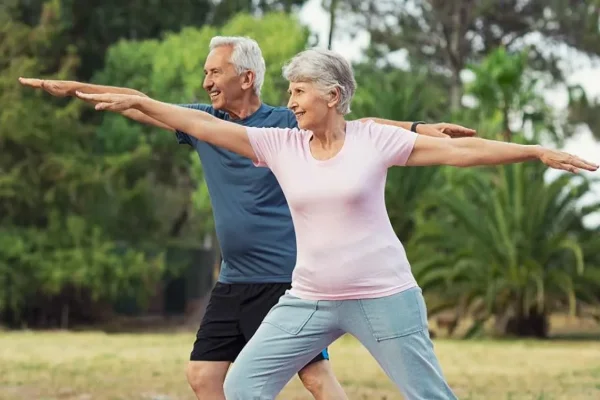
Staying physically active becomes increasingly important as we age. Regular movement supports overall health, improves energy levels, strengthens muscles, and helps maintain independence during later years. Many people believe exercise after 60 requires intense workouts or demanding fitness routines, but that is not necessarily true.
Low-impact exercise offers an effective way to improve health while placing less stress on joints and muscles. These activities can help seniors stay active without excessive strain or discomfort.
Low-impact exercises are movements that reduce the amount of force placed on the body while still providing important physical benefits. Unlike high-impact activities involving jumping or rapid movements, low-impact exercises allow at least one foot or body part to remain supported.
This makes them especially appealing for individuals experiencing arthritis, joint concerns, mobility limitations, or those simply looking for gentler forms of exercise.
Physical activity provides numerous benefits beyond fitness alone.
Regular movement may support heart health, improve circulation, strengthen bones and muscles, increase flexibility, and improve balance.
Exercise may also support emotional wellbeing by helping reduce stress and improving mood.
Many studies suggest that staying physically active may contribute to better cognitive health and improved quality of life.
Walking remains one of the simplest and most effective exercises available.
Many healthcare professionals encourage walking because it requires no specialized equipment and can be adjusted according to personal ability levels.
Walking supports cardiovascular health while strengthening leg muscles and improving endurance.
Many individuals enjoy walking in parks, neighborhoods, shopping centers, or nature trails.
Walking with friends or family members may provide additional social benefits.
Swimming and water exercises are also excellent low-impact choices.
Water naturally supports body weight, reducing pressure on joints and decreasing stress on muscles.
Many individuals with arthritis or joint discomfort appreciate exercising in water because movements often feel easier and more comfortable.
Swimming supports cardiovascular fitness while helping strengthen muscles throughout the body.
Water aerobics classes have become increasingly popular among older adults.
Yoga offers another valuable exercise option.
Yoga combines stretching, controlled movements, breathing techniques, and relaxation practices.
Many seniors enjoy yoga because exercises can often be modified according to individual comfort levels.
Improved flexibility, balance, and relaxation are commonly associated with regular practice.
Chair yoga options also exist for individuals who prefer seated movements.
Tai chi represents another gentle activity frequently recommended for older adults.
Sometimes described as moving meditation, tai chi involves slow and controlled movements coordinated with breathing.
Many people appreciate its calming nature.
Tai chi may support balance, coordination, flexibility, and mental focus.
Improved balance becomes especially important because maintaining stability may reduce the risk of falls.
Strength training also plays an important role during aging.
Many people mistakenly assume strength exercises require heavy weights or gym memberships.
Simple resistance exercises using resistance bands, light hand weights, or body weight movements may effectively support muscle strength.
Maintaining muscle mass becomes increasingly important because muscle naturally changes over time.
Stronger muscles may help improve daily activities such as carrying groceries, climbing stairs, and maintaining independence.
Resistance bands have become especially popular because they are lightweight, affordable, and adaptable.
Exercises can often be performed while sitting or standing depending on individual comfort levels.
Stretching exercises may also support overall mobility.
Gentle stretching helps maintain flexibility and range of motion.
Many individuals notice improved comfort and reduced stiffness when stretching becomes part of regular routines.
Stretching after light activity may help muscles remain relaxed and flexible.
Cycling represents another low-impact exercise option.
Stationary bicycles and outdoor cycling provide cardiovascular benefits while placing less stress on joints compared with certain high-impact activities.
Many seniors prefer stationary bicycles because they allow exercise regardless of weather conditions.
Beginning slowly often helps create long-term success.
Individuals who have not exercised regularly may benefit from shorter sessions initially.
Even ten or fifteen minutes of movement each day can create meaningful benefits.
Activity duration and intensity may gradually increase as comfort improves.
Listening to the body remains important.
Exercise should challenge the body without causing pain or excessive discomfort.
Proper footwear, hydration, and safe environments may also improve exercise experiences.
Consulting healthcare professionals before beginning new routines may be beneficial for individuals with existing medical concerns.
Physical activity after 60 does not require intense effort or difficult workouts.
Gentle movement performed consistently often creates meaningful improvements in strength, balance, flexibility, and wellbeing.
Low-impact exercise allows seniors to remain active while protecting joints and supporting healthier, more independent lives.
Small steps taken consistently often create lasting results and contribute to greater health and happiness throughout retirement years.